While Leinster Rugby may be synonymous with packed houses and glorious European nights at the R.D.S and Aviva, this is merely the tip of the iceberg in terms of the mandate of the province in relation to developing rugby across a twelve county area…
While it may be the professionals that bring the publicity and success, it is the amateur participants of rugby that ultimately ensure the game’s long term health and prosperity with 15,000 playing in Leinster and many more involved in the administration, coaching and development of the game through schools and clubs. Given the sheer scale of the playing numbers, it is no surprise that the province employ a multi-branched structure to co-ordinate the development of rugby at grassroots level.
Those at the coal face, figuratively speaking, are the Club Community Rugby Officers, the point of first contact between Leinster Rugby and local schools and communities. These rugby lovers are 21st century sporting missionaries, committed to spreading the game throughout the province by liaising closely with their individual clubs.
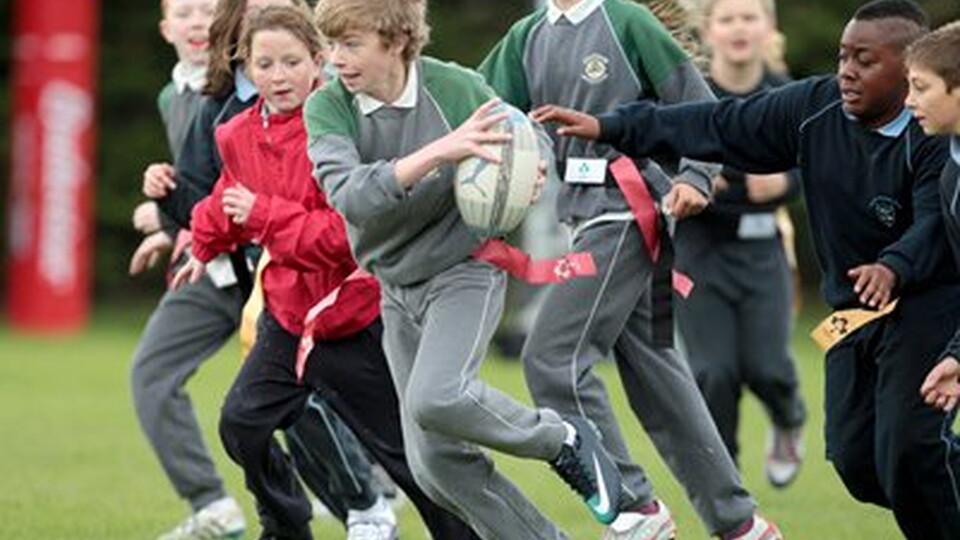
The scale of the operation becomes apparent when one considers the number of clubs in the province with a CCRO. The number currently stands at 40, with the entire geographical area of the 12 counties under the CCROs’ collective sphere of influence. Getting children involved from a young age is central to the thinking behind the program and the number of primary school children that have had the opportunity to experience the game is largely down to the CCROs’ successes.
Co. Carlow FC CCRO Wes Whitten is involved with 22 primary schools and seven secondary schools throughout the year and these sort of numbers are reflective of the CCROs’ influence across the province.
One of the most impressive aspects of the program is the concerted desire to implement a specific province wide rugby philosophy based on the principles that have garnered the professional players so much success. The focus on a skills based offloading game, where space not contact is sought, is a fundamental cornerstone of the CCROs’ raison d’être. This consistency of message has brought notable changes to the community rugby landscape in the past five years as the CCROs influence has reaped rewards both in terms of boosting playing numbers dramatically and also improving the general standard of not only players but more importantly coaches.
Although the schools game is still the predominate player in terms of producing talent that rises to the professional ranks, there is genuine cause for optimism that this may not be the case indefinitely. Scott Broughton, Ashbourne R.F.C CCRO is a believer. ‘I think the clubs are starting to get more of an influx into the Leinster set up and that’s down to the work that’s been done at grass roots level. In the six years I’ve been doing the job, the club scene has come through a little more, the percentage has gotten higher. Hopefully if we keep going we can get even more club players into the Leinster Academy.’
The success of Leinster in recent seasons has been driving force in making rugby a more mainstream sport throughout the province as Scott notes. ‘One group of sixth classers, when the Heineken Cup trophy was brought in, it was the first time that they’ve asked to leave balls behind. It just shows the impact the success can have.’
Ross Barbour, affiliated with Enniscorthy R.F.C concurs. ‘Every school I’ve gone to has been keen to get rugby in because has grown so much as a sport. The younger generation are particularly keen to get involved. The Heineken Cup tour has been particularly important. They get to see it up close and it definitely makes them a little more curious to go out and see what it’s all about.’
The success of the CCRO program since its inception is evidenced in the dramatic increase in both playing numbers at club youth level and school involvement in areas that would not traditionally considered hotbeds of rugby talent.
Unidare RFC’s Chairman Pat O’Donnell is fulsome of his praise of the role of local CCRO Colm Finnegan. ‘We wouldn’t where we are without the full support of Leinster. It’s fantastic. There’s a huge increase in popularity of the game in the area thanks again in part to Colm’s good work and the new North Dublin league that we put in place for schools which started last year and will be going again this year.’
This level of cooperation and the similarity of mindsets between CCROs and their affiliated clubs are paramount to the sport’s continued rude health and this dovetailing of ideas and sense of consensus are the basis for relationships that have at their very foundation, a desire to spread the rugby gospel.
With dedication like this, it appears rugby is on solid footing for the future.