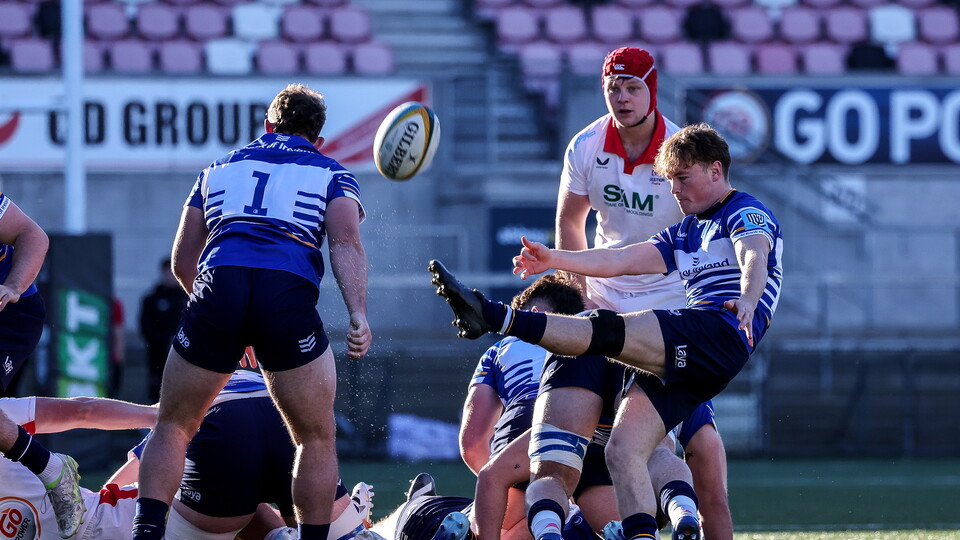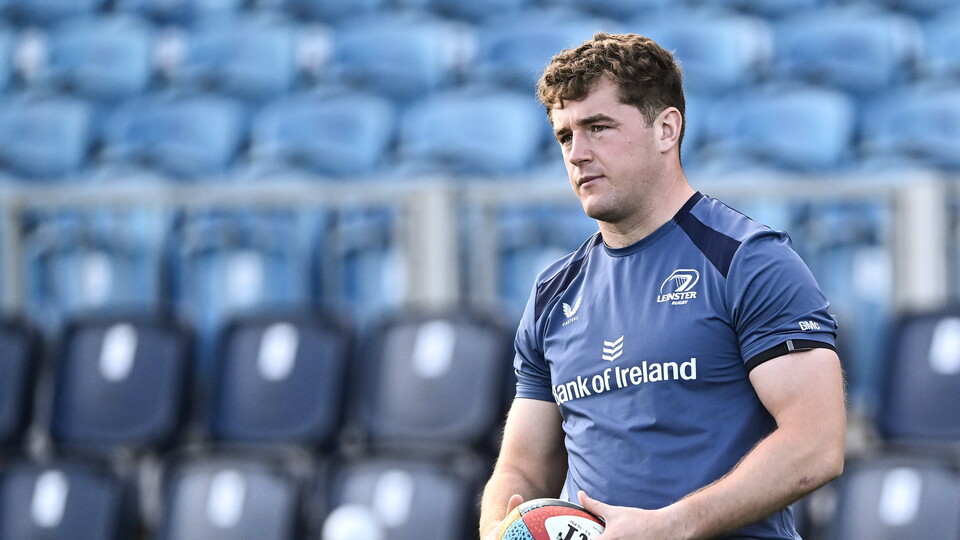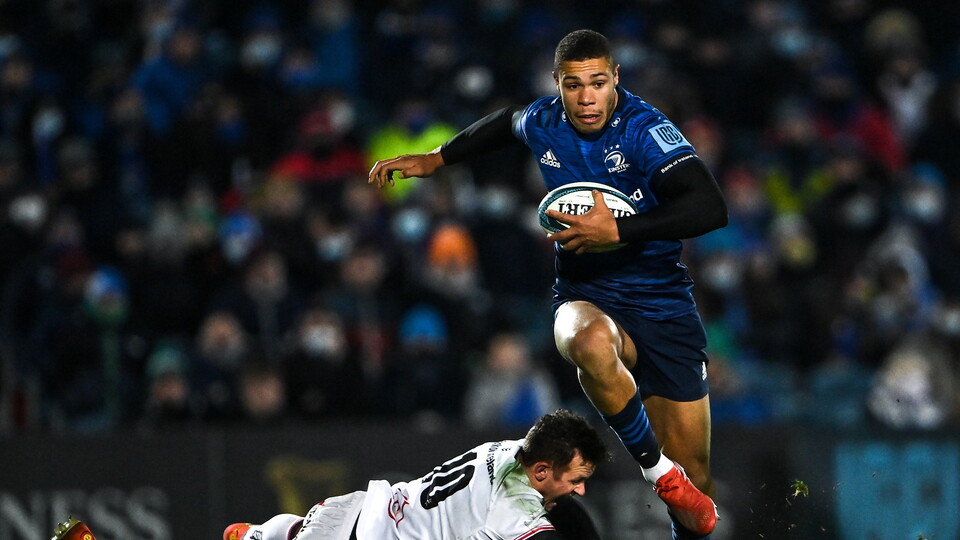
THEN: Byrne played for Leinster for a decade, earning 66 caps for his province and one for Ireland.
NOW: He is living in Boston with his fiancée Larissa, working for Output Sports as the Director of Growth for the USA.
Adam Byrne is a frequent flyer these days. He has been living in Boston for the last three years after a chance meeting with a University College Dublin tutor that redirected the course of his career.
The life of the boy from Kill, outside Naas, changed when he walked through the doors of the Leinster Academy to be influenced by Girvan Dempsey, Noel McNamara and the late Dave Fagan.
“When I look back, now that I’ve moved into the real world, I felt that imposter syndrome. I had a Gaelic background, was good at that, and played inter-county for Kildare,” Byrne says.
“The coach I have to credit first is Wayne Mitchel at Naas RFC. He saw that I had raw talent that needed to be shaped and moulded.
“It was very daunting. I remember at the start, there was a lot to take in, learning the game and how to play rugby at the professional level. I wanted to prove myself and I loved the challenge.”
Byrne worked hard off the field to make sure he was ready for action on it.
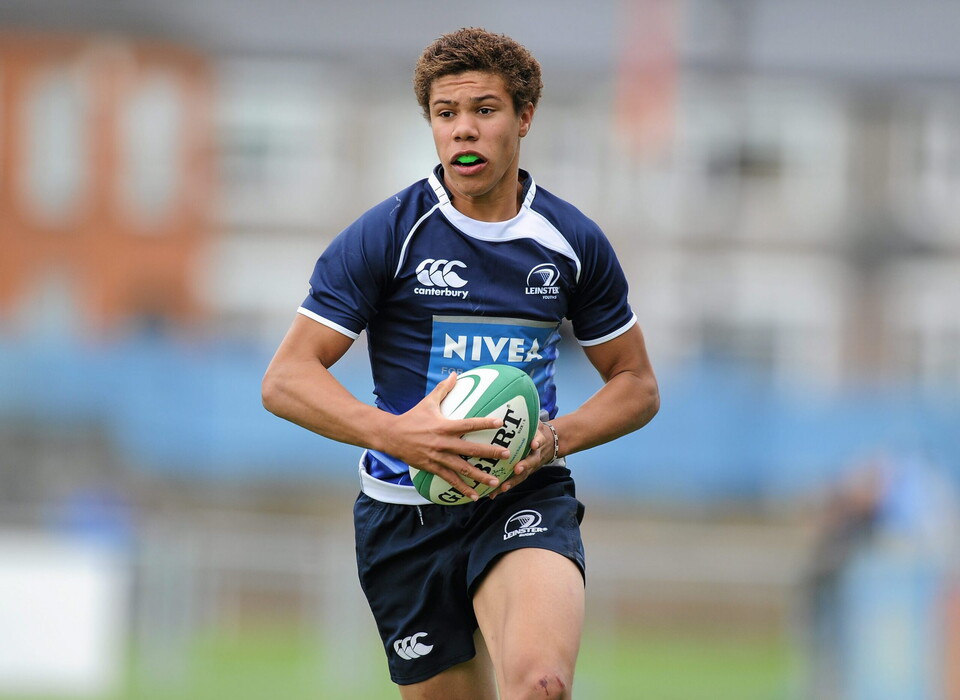
“I always loved the gym. I loved doing the work and seeing the results. I always felt the gains there would transfer to the field,” he explains.
“From around 16 years old to 18, I probably put on about 15kg of muscle based on the DEXA scan numbers.”
In December 2012, the hard work paid off when Byrne became the youngest-ever Leinster debutant at 18 years of age.
“I hadn’t even played for Leinster ‘A’. Dave Kearney, Fergus McFadden were away in Irish camp. Fionn Carr was injured, so I was asked to train with the senior squad,” he recalls.
“I distinctly remember walking out for training to see Brian O’Driscoll and Gordon D’Arcy. I remember Drico saying, ‘the pins on him’. I didn’t know what pins were. The lads let me know it was my legs. I was starstruck.
“Anyway, at the time, I was studying for my Christmas exams. I had a missed call or text telling me I was playing against Ulster. I thought this was one of the lads winding me up. I put a message out to the group, ‘who’s the funny man?’
“I texted Dave Fagan to ask whose number it was. He came back: Joe Schmidt.”
Byrne was an unused replacement against Ulster and played the last 10 minutes against Connacht, holding onto the dominant memories of trying to run over Robbie Henshaw and almost scoring a try.
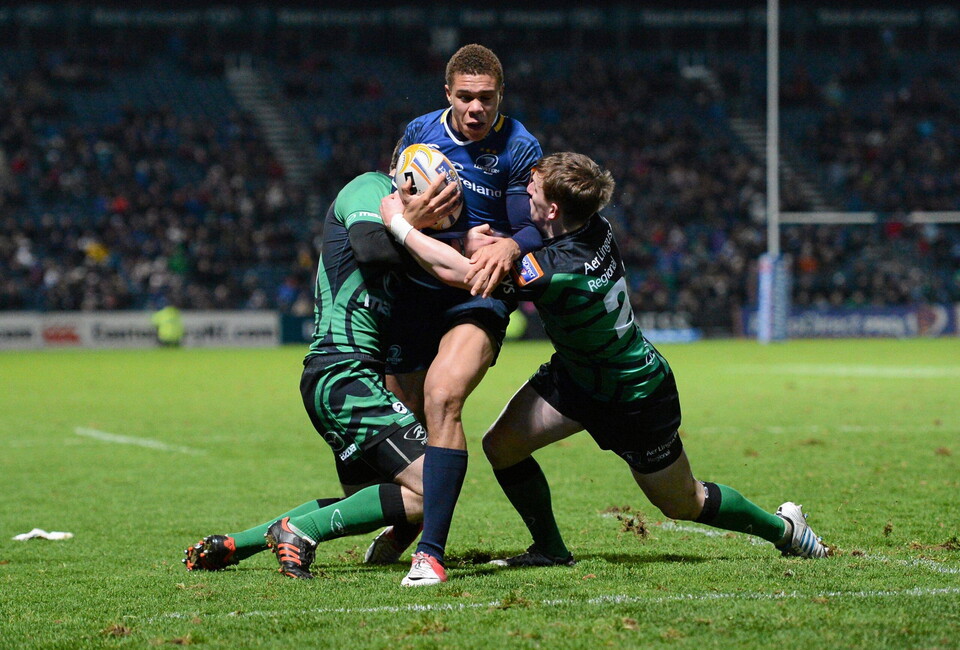
One week later, the young winger broke his leg playing for UCD. The specialist advised him that it was an unusual break that could seriously jeopardise his career and lead to problems with walking, if it didn’t heal properly.
“When I got my first batch of injuries, the game was taken away. I just wanted it even more then,” he says.
“Back then, you were paid €500 for making the matchday squad and €500 for winning. I had €1,000. I spent it all on this hyperbaric oxygen chamber to give me the best chance of getting back playing.”
The sad fact is that every time Byrne was ready to return, that rugby ogre of injury popped up to spoil it all.
“When someone like me looks back, the narrative is often about what could have been. To be honest, I am super grateful for every coach who took a chance on me and the 66 times I got to play for Leinster,” he says.
“In 2019, I was in the World Cup training squad. I came off the bench against Glasgow and ruptured my quad. When I came back, I tore my hamstring. It kept re-tearing.
“I was living with Dave Kearney at the time. I remember crying on my bed after the third straight tear when I tried to sprint.
“I went to London for surgery. That rehabilitation was going great. I was way ahead of schedule. In an innocuous running session with the physio, I got a partial tear in my Achilles.
“That was nearly worse than a full tear because they didn’t really know what was going on. By the time that was all sorted, I had been out for over a year with these setbacks.”
Byrne was finally back for his first training session. It was a sunny day. The lads clapped him out into the field.
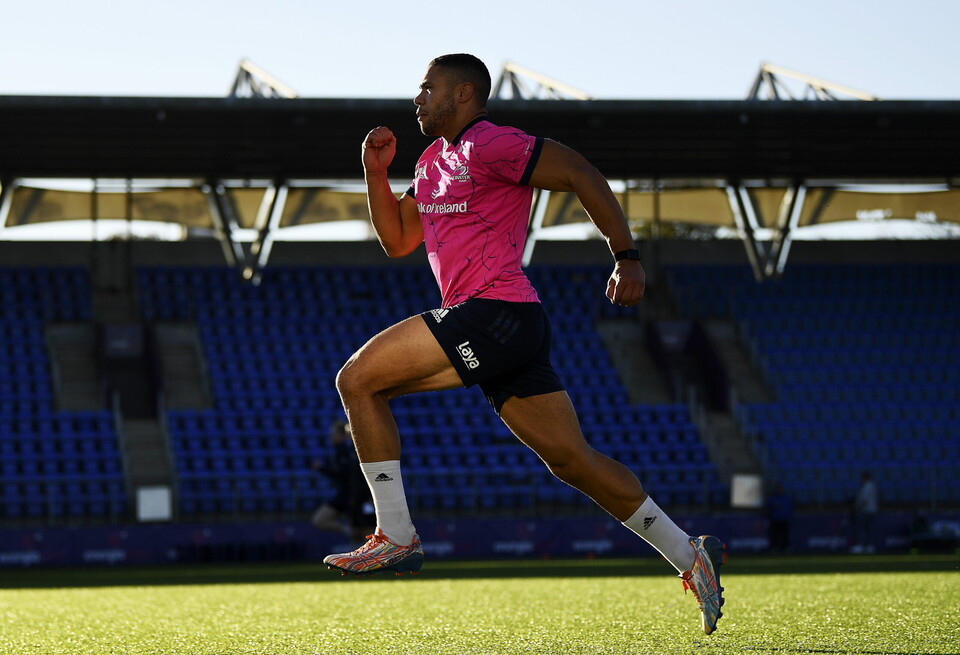
“I was just so grateful to be out there,” he says. “Halfway through the session, doing a simple drill, I had the ball in my hands. I heard a pop off the bone. I had ruptured my quad at the opposite end.
“I just dropped the ball and walked straight in. No one knew what had happened. That was tough.”
The regular Covid crew of housemates Rhys Ruddock and the Kearney brothers, Dave and Rob, did what they could to support Byrne.
“Leo Cullen didn’t waste my time. That is one of the things I loved about him. He was straight up. I knew where I stood,” Byrne says.
“I was naive. The writing was on the wall. I was injured all the time. I was told there was no room for me at Leinster.”
In 2022, Jack Carty and Tom Daly played their part in convincing then-Connacht Head Coach Andy Friend that the risk was worth the reward.
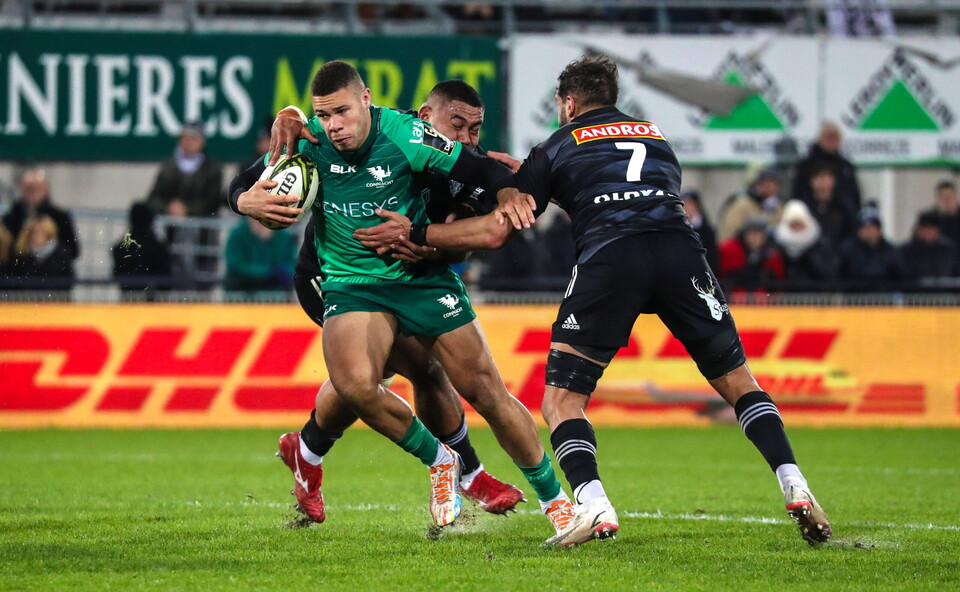
As he hoped to start a new chapter, the longest pre-season of Byrne’s career ended in its last week with an injury to the plantar fasciitis in his foot.
After another long rehab, a torn calf, a minor fracture down around his ankle and just six appearances for Connacht that season, Byrne had to face up to the fact his body couldn’t do what he wanted it to do.
The youngest player to play for Leinster was forced to retire at the age of 29.
At UCD, Byrne studied biomedical engineering. Missing out on lectures due to rugby led to the support of a grinds tutor Dr Martin O’Reilly.
As luck would have it, Martin was developing a company called Output Sports, which tests, trains and tracks athletic performance with an all-in-one platform for strength coaches and rehab professionals.
The bonds between the two strengthened, leading Byrne to invest in and work for Output, where he is currently the Director of Growth in the United States. He manages a sales team, driving revenue, and collaborating across departments to scale their impact.
From Boston, Byrne travels all over the United States, drumming up business from the NFL, NBA and college teams.
He has not lost touch with his team.
“I watch the big games. I miss it,” he admits. “I miss the lads, even thinking about the team in the changing room after the Champions Cup final and the URC final. I would have liked to have been there for them, with them.
“My fiancée Larissa doesn’t know anything about rugby. During the Six Nations, it is crazy. I‘ll wake up in the middle of the night after a dream in which I tear my hamstring chasing down some guy.
“I would kick out in my sleep. Larissa would ask ‘What was that movement?’
“Oh, I thought I tore my hamstring.”
Funny how some things don’t leave you.
“If I could sum up my playing career, I would say I am super grateful for all the chances I got. I learned so much that I take with me every day,” he says.
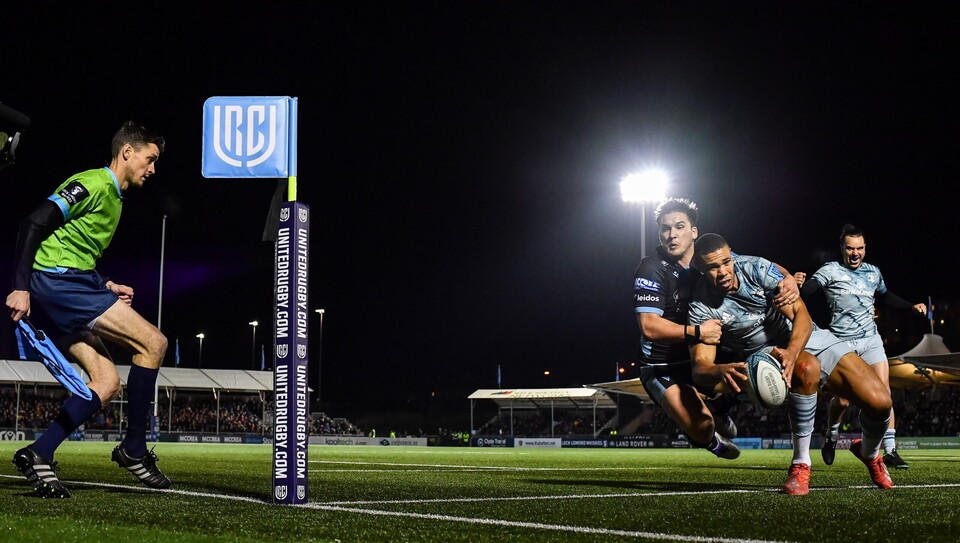
“The high-performance environment is based around hard work. There is a direct correlation. The harder you work, the better the outcomes.
“I just remember a simple saying. Leo Cullen and Isa Nacewa would have repeated it: just do what you say you are going to do. Now, it just drives me crazy when people let you down.”
The other factor Byrne leans on is resilience.
“I am trying to grow the Output business, which essentially is a world of no’s and letdowns,” he says.
“This is where my playing injuries taught me to stay in the fight.”